


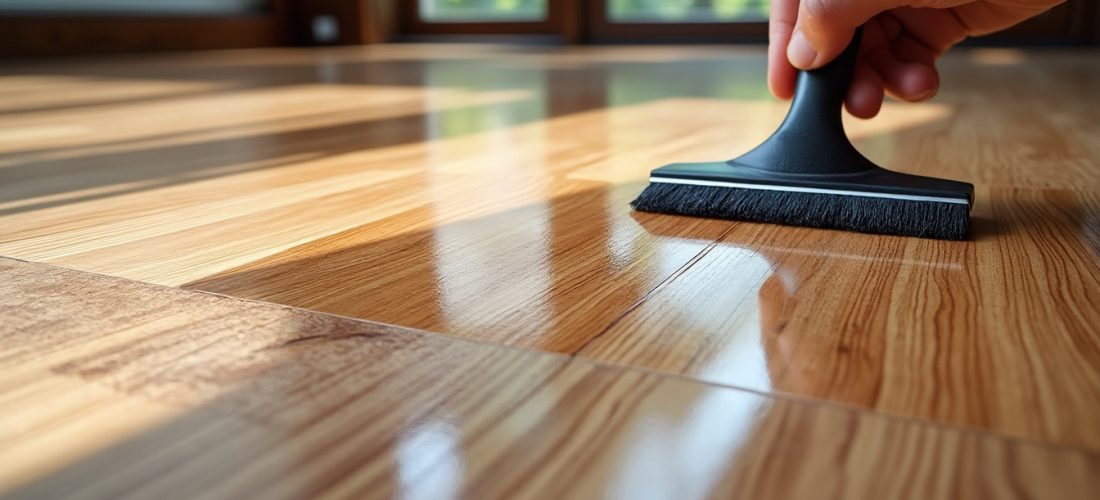
Vitrification of a parquet applies a protective surface layer that significantly lowers visible scratch formation. This finish forms a film that improves stain resistance and daily cleaning ease for homeowners. Readers receive compact guidance first, then a detailed technical and practical examination.
Choosing vitrification changes the aesthetic, repair options, and long term maintenance rhythm of a wooden floor. The decision affects which rooms are suitable and when a full renovation will be necessary. The next element presents concise essentials and leads into detailed sections.
A retenir :
- Protection duration between five and fifteen years depending on traffic
- Finish options matte, satin or glossy for tailored interior looks
- Varnish types aquaréthane, polyuréthane, acrylique, and two-component formulations
- Full sanding renovation every ten to fifteen years, significant cost
Vitrification impact on parquet resistance and scratch protection
Following the essentials, this section explains how vitrification increases surface resistance and reduces visible rayures on wooden floors. The film created by the varnish distributes mechanical stress over a broader area, lowering localized abrasion under everyday use. In this context, the following table summarizes key practical effects for different usage conditions.
Criteria Vitrified parquet Practical impact Resistance to wear Very high protection Suitable for high-traffic zones Maintenance Simple daily cleaning Lower recurring product costs Durability 5 to 15 years Spaced renovation schedule Renovation Full sanding required Higher one-time renovation cost
According to professional testing, a continuous film delays wood ageing and reduces micro-scratches formation considerably. Selon CSTB, a well-applied film offers superior mechanical protection compared to oil or wax finishes in similar conditions. Understanding these mechanisms prepares for the maintenance recommendations described in the next section.
Maintenance essentials:
- Daily dust removal with soft broom or vacuum
- Weekly damp mopping with pH neutral cleaner
- Avoidance of steam cleaners and abrasive pads
- Immediate wiping of spills to limit stains
Practical examples illustrate typical performance differences between finishes and settings where vitrification excels. For instance, families with children test the surface daily under toys and chairs without rapid degradation. These user cases lead naturally to cleaning and preservation techniques covered next.
How the varnish layer prevents scratches on parquet
This subsection links directly to the resistance table and explains protective mechanisms in depth. The varnish forms a continuous barrier that absorbs micro-impacts and blocks penetration by liquids. According to manufacturers, the choice of polyuréthane or aquaréthane changes hardness and flexibility trade-offs.
Test results show that harder two-component varnishes resist abrasion but can reduce natural touch compared to softer alternatives. Selon ADEME, water-based varnishes offer lower odors and environmental impact during application. The discussion here naturally moves toward cleaning and routine upkeep strategies.
Use cases: high-traffic rooms and commercial settings
This part connects resistance properties with concrete room selection and usage patterns for parquet. Entrances, hallways, and living rooms withstand heavy footfall when treated with an appropriate vitrification system. Selon Que Choisir, commercial-grade formulations exist for boutiques and offices requiring enhanced durability.
« I installed vitrified oak in my busy hallway and noticed far fewer scratches after a year of heavy use. »
Marie N.
The example above shows a homeowner perspective on daily wear and aesthetic preservation under constant use. Choosing the right gloss level and varnish chemistry also affects how micro-scratches appear to the eye. This observation prepares the reader for detailed cleaning methods in the following section.
Cleaning and maintenance to preserve vitrified parquet durability
Building on protective properties, this section focuses on keeping the varnish intact through proper cleaning and preventive habits. Simple routines reduce abrasion from particles and extend the functional life of the surface. The following table lists recommended actions and hazards to avoid for routine maintenance.
Issue Recommended action Products to avoid Dust and grit Regular vacuum with soft brush attachment Abrasive scrubbers Daily cleaning Damp mop with pH-neutral cleaner Bleach and strong solvents Stubborn stains Use earth de Sommières or alcohol for markers Acidic cleaners and harsh degreasers Heat and steam Avoid steam cleaners and high heat exposure Steam cleaners and hot appliances
Label recommendations include avoiding bleach, solvents, or high pH formulations that can damage the film. A pH-neutral product preserves the varnish and reduces long-term micro-etching under repeated use. These care rules naturally lead to targeted stain removal and occasional deep-cleaning methods.
Cleaning tactics list:
- Immediate blotting of spills with soft absorbent cloth
- Use of mild alcohol solution for ink or felt-tip marks
- Terre de Sommières for greasy stains, left for hours
- Annual deep clean with manufacturer-approved degreaser
For ingrained dirt or pre-renovation preparation, professional decapants restore adhesion for new varnish layers. Regular inspection of wear patterns helps decide when to commission a full sanding and re-vitrification. The following video demonstrates practical cleaning steps and product choices for preserved gloss and protection.
« I used a pH-neutral cleaner weekly and avoided steam, which preserved the gloss for years. »
Thomas N.
This homeowner testimony confirms that simple, disciplined maintenance delays major renovation. Small preventative measures such as felt pads under furniture markedly reduce scratch accumulation. The practices reviewed here prepare the reader for installation choices and renovation planning next.
Installation choices and renovation planning for vitrified parquet
Following maintenance logic, this section addresses where to choose vitrification and how to plan eventual renovations. Selection depends on traffic level, aesthetic priorities, and willingness to accept periodic full sanding. Practical budgeting and timing considerations are essential for long term ownership.
Which rooms are best suited for vitrified parquet
This subsection links room usage to the protective benefits of vitrification and offers concrete recommendations. Entrances, living rooms, and kitchens often favor a vitrified finish because of stain and wear resistance. In bathrooms, select exotic species and appropriate primers to limit moisture risks under specific conditions.
Room selection guidance:
- High traffic areas: hallways, stairs, living rooms
- Kitchens when equipped with waterproof varnish systems
- Children’s rooms for easy stain management
- Commercial areas with moderate customer flow
These recommendations show how use dictates finish choice and renovation cycles for the floor. If preserving natural wood touch is a priority, oil may be a more suitable alternative. The next subsection details renovation timing, costs, and procedural constraints for vitrified floors.
Renovation timing, costs and irreversible choices
This part connects the full sanding requirement with long term cost and practical disruption for homeowners. Vitrified floors demand a complete re-sanding when the varnish is exhausted, with professional rates around twenty to forty euros per square meter. The operation requires emptying rooms and several days for application and curing of new coats.
« After a decade, we had to sand and recoat the entire floor, which disrupted household routines for days. »
Alex N.
Cost considerations include the area to treat, varnish choice, and labor availability, which influence scheduling decisions. Because the varnish film prevents local touch-ups, planning ahead reduces surprise expenses and preserves the wood substrate. A final practical opinion follows before closing the pragmatic thread and inviting the reader to apply these findings.
« The vitrified finish suited our busy life, but we accepted periodic full renovations as part of ownership. »
Clara N.
Readers who prioritize low daily maintenance and strong surface protection will find vitrification a pragmatic choice for many rooms. Those favoring tactile natural wood should weigh oiling or waxing alternatives against the irreversible nature of varnish films. This assessment offers a usable framework for deciding and planning renovation steps.


