


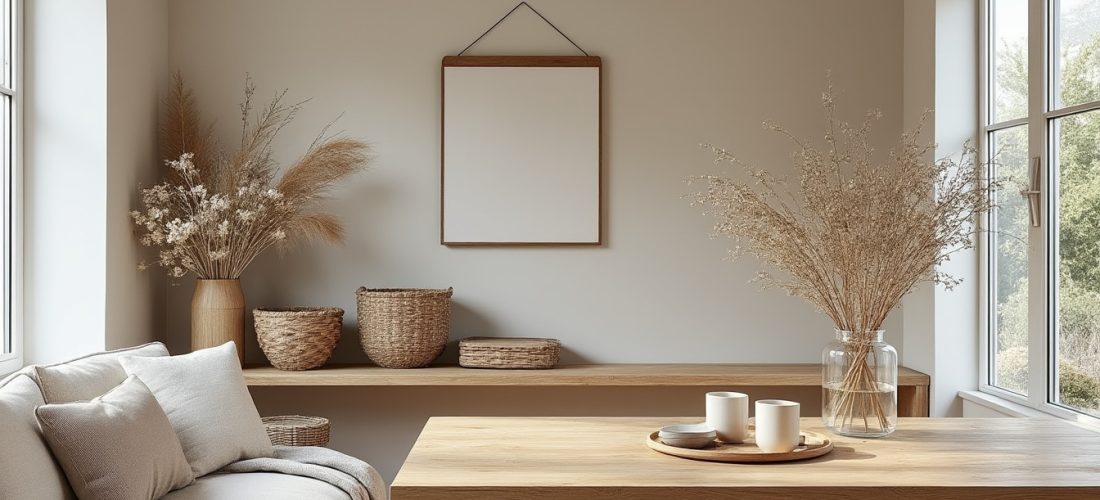
The kinfolk approach to home design privileges quiet atmosphere and intentional choices, creating spaces that breathe. It favors routines and objects that invite shared moments around a table and near soft light.
Many homeowners now seek a balance between minimalism and warmth, combining clean lines with tactile materials like wood and linen. These choices shape practical habits and lead naturally to the distilled guidelines listed next.
A retenir :
- Matériaux naturels privilégiés bois, lin, laine
- Palette claire neutre avec accents verts
- Mobilier durable, fonctionnel et patiné
- Espaces pour partage familial et repas longs
Kinfolk decor essentials: natural materials and simplicity
Building on those condensed principles, kinfolk decoration places natural materials at the heart of every room to encourage calm. This emphasis on the simplicity of form and the tactility of materials creates an approachable, layered interior that feels lived in and deliberate.
According to Kinfolk magazine, the movement grew from a desire to slow down and prioritize relationships over consumption. That historical aim explains the persistent preference for honest textures, subdued tones, and pieces that invite use rather than display.
Material Character Care Ecological note Oak Warm, durable, classic Oil finish, occasional waxing Long-lived, low replacement needs Pine Light, soft-grain, affordable Sealing recommended, avoid moisture Fast-growing species, lower impact Linen Breathable, relaxed texture Gentle wash, air dry Natural fiber, biodegradable Wool Insulating, warm, tactile Spot cleaning, professional wash Renewable fiber, durable Rattan Lightweight, woven warmth Dust, avoid prolonged damp Often sustainable if certified
Natural wood choices for kinfolk interiors
This subsection clarifies which woods match the kinfolk ethos and why their grain matters for aesthetic warmth. Homeowners favor species that age gracefully and support easy repair, enhancing long-term authenticity and charm.
For a small cottage or a modern loft, the same guiding idea applies: choose wood that brings texture without visual clutter. These selections prepare the conversation about textiles, where tactility completes the material story.
Preferred woods list:
- Oak for longevity and warm patina
- Pine for light tone and economy
- Cherry for subtle reddish depth
- Acacia for rustic grain and resilience
« I replaced laminated surfaces with solid oak and felt my living room finally breathe. »
Alice N.
Practical examples include a reclaimed oak dining table or pine shelving in a reading corner to anchor daily rituals. Selecting such pieces encourages repair, reuse, and a visible narrative of use that feels inherently kinfolk.
The next section will examine how textiles and light shape mood, completing the sensory framework that supports convivial gatherings. This passage moves from structure to atmosphere and how it invites gathering.
Lighting and textiles in kinfolk decoration: light, linen, and warmth
Extending the material choices, lighting and textiles complete the kinfolk palette by adding softness and scale to living spaces, while preserving minimalism. Thoughtful fabric choices and layered light turn practical rooms into inviting places for daily life and slow evenings.
According to Le Monde coverage of kinfolk trends, curtains, rugs, and throws must read as practical yet elegant, supporting gatherings instead of staging a showroom. These items help craft a warm rhythm from morning light to candlelit dinners.
Textile selection and color strategy
This section shows how textiles establish a tactile link with the wood and the room’s light. Choosing linen, cotton, and wool in soft neutrals creates coherence while allowing a single accent color to breathe life into the scheme.
Color choices often revolve around white, grège, and muted green tones that echo plant life and outdoor vistas. Such palettes maintain calm while enabling occasional deeper accents for personality.
Textiles to consider:
- Linen curtains for light diffusion and texture
- Cotton throws for everyday comfort and ease
- Wool rugs for insulation and acoustic softness
- Velvet cushions for limited color and tactile contrast
Lighting fixtures and natural illumination
Linking fabric choices to light, kinfolk interiors favor large windows and soft artificial lighting to preserve intimacy. Lamps woven from natural fibers and candles complement daylight without overpowering it.
Light source Mood created Placement advice Large window daylight Airy, expansive, restorative Unobstructed, light curtains, plants nearby Woven pendant lamps Warm, textured, intimate Above dining table or reading nook Table lamps with linen shade Soft focused glow, calm Beside sofa or bedside table Candles and tealights Slow evening ambiance Center of table or windowsill
« Soft daylight and a linen throw turned our evenings into slower, gentler routines. »
Marc N.
Lighting choices are purposeful and modest, designed to enhance natural rhythms rather than mask them, which also supports ecological aims. The following section addresses how kinfolk meets the table and sustains conviviality.
Kinfolk dining and conviviality: slow meals and shared tables
As a natural extension of material and light choices, kinfolk places meals at the center of domestic life to foster conviviality and presence. A large wooden table, modest tableware, and seasonal dishes create repeated rituals that bond household and guests.
According to 4MURS trend notes, tableware in kinfolk style leans toward irregular shapes and muted glazes, reinforcing authenticity and the handmade. These objects encourage mindful use rather than single-purpose display.
Tableware, plating, and the kinfolk palate
This subsection explains how simple plates and thoughtful presentation align with the kinfolk philosophy of slow, seasonal eating. The container matters as much as the food because it frames the communal act of sharing.
Choose plain white or grège plates with slight irregularities and pair them with linen napkins and earthenware for texture. Such combinations support meals that prioritize freshness, balance, and convivial pacing.
Dining essentials list:
- Large solid-wood table for shared meals
- Neutral stoneware plates with organic edges
- Linen napkins and simple ceramic serving bowls
- Natural centerpieces, herbs, or small plants
« Hosting with plain plates made conversations warmer and less staged. »
Sophie N.
Sourcing, sustainability, and ecological practice
Connecting meals to sourcing, kinfolk sensibilities often include local producers and ecological choices that reduce waste and favor quality. This practice aligns with the movement’s critique of fast consumption and supports resilient local economies.
Simple habits like mending textiles, choosing repairable furniture, and preferring certified woods reflect an écologique mindset compatible with kinfolk values of authenticity and slow consumption. These practices also enhance long-term household resilience.
Sourcing practical steps:
- Prefer local seasonal produce and low-packaging markets
- Repair and reupholster rather than replace quickly
- Choose certified or reclaimed wood when buying furniture
- Support artisans and handmade ceramics when possible
« Choosing reclaimed wood felt like investing in stories, not trends. »
Lina N.
These practices close the loop between design and daily life, creating a durable, human-centered interior that resists fleeting fashion. The sources below provide further reading and context for readers seeking original documentation.
Source : Nathan Williams, « About Kinfolk », Kinfolk, 2011 ; Le Monde, « Deco Kinfolk un nouveau style », Le Monde de Rose ; 4MURS, « Tendance Kinfolk : le retour aux sources », 4MURS.


