


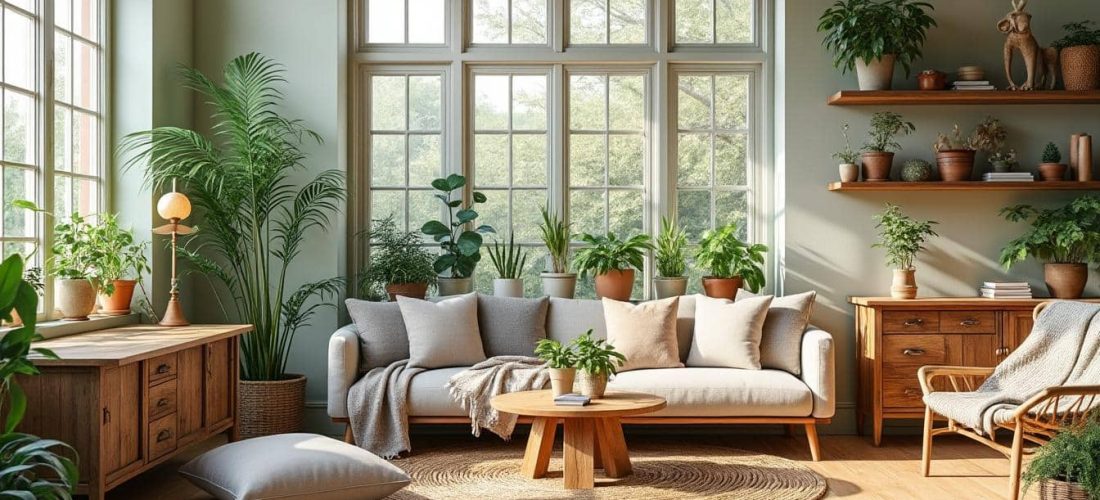
Designing an interior that respects health and planet requires deliberate material and color choices, not fleeting trends. Thoughtful decisions about paints and reused furniture create an environment that feels calm and durable over time.
This guide discusses how to select low-emission paints and how to integrate secondhand pieces with style and safety, with concrete examples from makers and shops. The next section summarizes the key takeaways you can apply immediately to your home.
A retenir :
- Low-emission paints certified by recognized labels
- Secondhand furniture quality and reduced carbon impact
- Natural textiles and upcycled lighting fixtures
- Local craftsmen sourcing and short supply chains
Choosing healthy paints and understanding eco-friendly paint labels (peintures saines)
After the key takeaways, focusing on paint selection is the first concrete step to a healthier interior and lower indoor pollution. Choosing paints with low volatile organic compounds improves air quality for children, elders, and allergy-prone occupants.
According to Colibri Peintures, biosourced formulas often rely on vegetable oils and mineral pigments for safer finishes in homes. This choice prepares the ground for considering secondhand furniture without sacrificing indoor health and atmosphere.
Paint options overview:
- Water-based biosourced paints for general interior walls
- Clay and lime finishes for moisture regulation
- Natural oil paints for furniture and trim durability
Paint Type Main Composition Primary Benefit Best Use Water-based biosourced Vegetable resins, mineral pigments Low emissions, easy cleaning Interior walls and ceilings Clay paint Natural clay, earth pigments Humidity regulation, matte finish Bedrooms and living areas Limewash Hydraulic lime, natural pigments Breathability, traditional appearance Older masonry and feature walls Natural oil paint Linseed or tung oil, natural pigments Durable surface, patina with time Trim, doors, wooden furniture
« I repainted my nursery with algae-based paint and felt immediate calm in the room air quality. »
Émilie N.
How to read paint labels and certifications
This section links paint labels to real indoor benefits so you can select safer products with confidence. Look for certifications that specify very low VOC emissions and transparent ingredient lists for reliable results.
According to Ressource Peintures, labels vary by region and by focus, from emissions to biodegradability, so cross-check claims before purchase. Practical shopping habits reduce the risk of misleading marketing and ensure long-term satisfaction.
Application tips for low-impact painting projects
This subsection connects product choice to on-site practices that preserve health and finish quality over time. Proper ventilation, correct tools, and measured coats extend durability and keep emissions minimal during drying.
Practical painting steps:
- Ventilate well and plan drying times between coats
- Use natural-fiber rollers and recyclable drop cloths
- Store leftover paint in sealed containers for touch-ups
Integrating secondhand furniture and vintage finds with healthy finishes
Following paint decisions, selecting secondhand pieces magnifies sustainability by keeping quality materials in use longer. Buying used furniture cuts embedded emissions and often surfaces unique character not found in mass production.
According to Planète Zéro Déchet, repair and reuse extend product lifespans significantly, and spot-testing finishes helps avoid hidden hazards. This approach leads naturally to exploring local ateliers and upcycling workshops for custom restoration.
Seconde hand selection tips:
- Check joints and structural integrity before purchase
- Prefer solid wood pieces over veneered panels
- Request original finish details when available
Item Type What to Inspect Refinish Options Typical Benefit Sofa Frame strength, mattress condition Reupholster with organic fabrics Comfort and longer use Dining table Top wear, leg stability Sand and oil finish, wax Robust daily use Chest of drawers Drawer runners, wood rot Repair runners, natural paint Storage with vintage charm Chair Seat support, joinery Re-cane or re-seat with hemp cord Long-lasting seating
« I found a mid-century table at L’Atelier Seconde Vie and refinished it with low-VOC oil. It feels new again. »
Marc N.
Where to source quality secondhand pieces safely
This paragraph ties sourcing choices to health considerations and local impact, guiding safe procurement and support for circular economy actors. Seek trusted platforms like Seconde Chance Déco and Éco’Déco Vintage for verified listings and condition details.
According to L’Atelier Seconde Vie, small workshops often document repairs and provenance, which helps buyers evaluate quality and expected maintenance needs. Buying locally also minimizes transport emissions and supports artisan skills.
Upcycling examples and creative reuse ideas
This section connects practical upcycling projects to everyday design, providing steps that readers can replicate at home for low cost. Simple interventions like new upholstery or natural paint transforms old objects into focal points.
DIY upcycling projects:
- Refinish a dresser with natural hardwax oil
- Turn pallets into a rustic coffee table
- Create pendant lamps from old bottles
Textiles, lighting and accessories: finishing touches for a healthy eco-friendly home
Because paints and furniture set the stage, textiles and lighting complete an eco-friendly interior with comfort and atmosphere. Natural fibers and LED or upcycled light fittings reduce energy use and exposure to microplastics.
According to Ootravaux, choosing organic cotton, hemp, or linen for soft furnishings reduces chemical load and supports sustainable farming practices. These choices naturally encourage buying locally made accessories and supporting GreenWall Déco initiatives.
Accessory selection guide:
- Choose organic or recycled textile certifications
- Prefer LED and refurbished lamp fixtures
- Incorporate plants and natural fiber rugs
« Working with Colibri Peintures allowed me to choose safe colors for my toddler room. The result is both soft and durable. »
Sophie N., interior designer
« I mixed vintage finds from Seconde Main Chic with new organic textiles and the space finally felt cohesive. »
Julien N.


